Beyond Batteries: The Real Alternatives to Battery Energy Storage in 2026
By Rowan Watts | Updated September 2026
This post contains affiliate links. As an Amazon Associate, ENERGY FOR THE TAKING earns from qualifying purchases at no extra cost to you.
Solar panels and wind turbines produce power on their own schedule, not yours. That gap is the whole energy storage problem, and for years the headline promise has been ‘beyond batteries’ storage: pumped water, molten salt, hydrogen, falling blocks of concrete. Three years after we first covered this topic, it is time for an honest update. Some of those technologies have grown up. Some have quietly stalled. And for homeowners, the answer has actually gotten simpler, not more exotic.
Here is the short version: almost every alternative to battery energy storage is utility-scale only. The one storage technology you can put in your garage today is a lithium iron phosphate (LFP) battery. We will walk through what is real, what is happening at grid scale, and what is actually worth your money.
Quick Answer: What Can Homeowners Actually Use?
| Technology | Status in 2026 | Usable at home? |
|---|---|---|
| Pumped hydro | Proven, expanding at grid scale | No (needs two reservoirs) |
| Thermal storage | Growing in industry and solar plants | Limited (water heaters, brick heaters) |
| Green hydrogen | Pilots only, expensive round trip | No |
| Gravity storage | Early commercial demos | No |
| Sand batteries | Commercial heat projects in Finland | No |
| Virtual power plants | Real programs paying battery owners | Yes, if you own a battery |
| LFP batteries | Mainstream, cheaper than ever | Yes, this is the answer |
Pumped Hydro: Still the Grid’s Workhorse
Pumped hydroelectric storage moves water between two reservoirs. Cheap power pumps water uphill; when demand spikes, the water falls back through turbines. It accounts for the vast majority of the world’s installed storage capacity, and it is not close.
What has changed since 2023 is where pumped hydro is going. Traditional mountain reservoirs are mostly built out, so new projects are moving underground. Closed mine shafts are being converted into lower reservoirs, which avoids the environmental fights that stall surface projects. There are also serious proposals for sealed, pressurized pumped hydro on the seabed.
The catch has not changed: you need elevation difference, water rights, and hundreds of millions of dollars. Nobody is installing pumped hydro in a backyard. For homeowners, pumped hydro is something your utility uses on your behalf, not something you buy.
Thermal Storage: Better Than It Gets Credit For
Thermal energy storage stores heat or cold instead of electricity, which sidesteps the expensive conversion steps that hurt other technologies.
Three developments matter for 2026:
- Molten salt and sand batteries for industry. Finland’s “sand battery” projects now deliver weeks of industrial heat at several hundred degrees Celsius, and commercial plants are selling heat, not just promises. This is real, deployed technology, but it produces heat, not household electricity.
- Electric thermal storage for homes. UL-listed brick and ceramic core heaters that charge on cheap off-peak electricity and release warmth during the day are available in markets with time-of-use rates. They are a niche, but a legitimate one if your utility charges less at night.
- Smart water heating. A standard heat pump water heater with scheduling is, effectively, a small thermal battery. It is one of the cheapest storage-adjacent upgrades a homeowner can make.
Thermal storage is the one alternative where a homeowner can participate in a small way, but it stores comfort, not backup power.
Hydrogen: The Perpetual Decade Away
The 2023 version of this article was optimistic about hydrogen. The 2026 version is more sober. Green hydrogen, made by splitting water with renewable electricity, remains expensive, and the round trip efficiency is brutal: you lose roughly two thirds of the energy converting electricity to hydrogen and back. Utility-scale pilot projects continue, but the industry has pivoted toward industrial uses like fertilizer and steel rather than grid storage.
For homes, hydrogen is not an alternative to a battery in any practical sense. No residential hydrogen storage product has reached anything close to mainstream availability or price. If a sales pitch reaches you about home hydrogen storage in 2026, treat it with skepticism.
Gravity and Sand Storage: Fascinating, Not Yours
Gravity storage raises massive weights when power is cheap and lowers them through generators when it is not. Commercial demonstration projects exist, including tower designs and repurposed mine shafts, and the physics is sound. The challenge is economics: gravity systems store a lot of weight but not much energy for their size and cost, and lithium batteries keep getting cheaper underneath them.
These belong to the same category as pumped hydro: genuinely interesting grid infrastructure that will never sit next to your water heater.
Virtual Power Plants: The One Alternative You Can Join
Here is the genuinely new story since our original article: virtual power plants (VPPs) have moved from pilot programs to real money. A VPP aggregates thousands of home batteries and dispatches them as a single grid resource. Owners get paid per event or per kilowatt for letting the utility draw from their battery during peaks.
This matters because it flips the framing. The alternative to buying a battery was never “wait for hydrogen.” It is “buy an LFP battery and get paid for it.” Enrollment has expanded significantly in states with competitive energy markets, and many programs work with mainstream power stations and wall batteries, not just premium installs. If you already own capable hardware, check whether your utility or a VPP operator has a program in your state before you buy anything new.
One caution: the 30% federal residential clean energy credit expired at the end of 2025 and is no longer available for new battery installs. The economics now rest on time-of-use savings, backup value, and VPP payments, so run your own numbers with your actual utility rates.
The Honest Answer for Homeowners: LFP Batteries
Every technology above is something the grid does for you. If you want storage at your house in 2026, lithium iron phosphate is the only mature, safe, and affordable option, and it has never been cheaper. LFP chemistry replaced older lithium-ion in nearly all consumer storage because it handles thousands of cycles, does not suffer thermal runaway the way older NMC packs can, and needs zero maintenance.
Three picks that cover the realistic use cases:
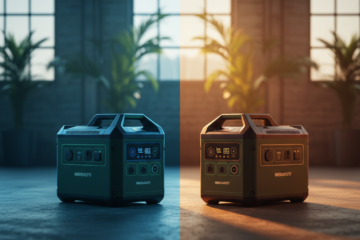
Best overall: the EcoFlow DELTA 3 Plus. Fast charging, a genuinely useful capacity for essential circuits, and it integrates with EcoFlow’s VPP programs where available. This is the pick for someone who wants one box that does outage backup and bill savings.
Best for longer outages: the Bluetti AC200L. Around 2,048Wh with expandable capacity, it runs a fridge, lights, internet, and phones for a day or more. Bigger, heavier, and slower to charge than the DELTA, but more hours per dollar.
Best budget build: a 12V 100Ah LiFePO4 Group 31 battery. This is the DIY route: the same LFP chemistry in a form factor that drops into RVs, boats, and custom solar setups. Pair it with a small inverter and a charge source and you have assembled your own storage for a fraction of an all-in-one’s price. No Bluetooth app, no screen, no hand-holding.
For sizing, cost expectations, and wall-mounted systems, see our full guide to battery energy storage systems.
Where This Leaves You in 2026
The “beyond batteries” story has resolved, not disappeared. Pumped hydro and thermal storage are doing the heavy lifting at grid scale. Hydrogen and gravity storage remain technologies to watch, not to buy. Virtual power plants turned home batteries from a pure cost into something that can earn, and that is the development worth acting on.
If you want resilience during power outages or a hedge against time-of-use rates, an LFP battery is the move. If your priority is a smaller, mobile setup, our comparison of the best portable power stations for home backup breaks down the current field. And if you are pairing storage with a turbine instead of panels, start with our guide to wind power for homes.
The technologies beyond batteries are real, and the grid needs them. Your home just is not the grid. Buy the battery, join a VPP if you can, and let the utilities figure out their own water pumps.
FAQ
Are there any real alternatives to battery energy storage for homeowners?
Not for electricity storage, honestly. Pumped hydro, thermal, hydrogen, gravity, and sand storage all require industrial scale. The closest homeowner options are thermal: a heat pump water heater on a schedule, or off-peak electric thermal heaters where time-of-use rates exist. For actual backup power, an LFP battery remains the only practical choice.
What is a sand battery and can I buy one?
A sand battery stores heat in sand or similar material at several hundred degrees Celsius for days or weeks. Commercial units are operating in Finland, supplying industrial and district heating. They are not sold to homeowners, and they produce heat rather than electricity.
Do virtual power plants actually pay you money?
Yes, in many states. VPP programs compensate battery owners for allowing dispatch during peak demand, typically through bill credits, per-event payments, or upfront hardware discounts. Amounts vary widely by utility and state, so check your utility’s program list before assuming a payback.
Can I still get the federal tax credit for a home battery?
No. The 30% residential clean energy credit (Section 25D) expired on December 31, 2025. Some state programs, utility rebates, and VPP incentives remain, so look there for savings.
What size battery do I need to back up a refrigerator and essentials?
A fridge, LED lighting, a router, and phone charging typically draw 1 to 1.5 kWh per day. A battery in the 1,000 to 2,000Wh class, like the models featured above, covers roughly a day of essentials, and a 12V 100Ah LFP battery (about 1,280Wh) covers the same load in a DIY setup.
Last updated: September 2026