Best Solar Panels for Off-Grid Cabins (2026)
Affiliate Disclosure: This post contains affiliate links. If you buy through our links, we may earn a commission at no extra cost to you.
An off-grid cabin lives or dies by its power system. Pick the right solar panels and you’ll forget the grid exists; pick wrong and every cloudy week becomes a candlelight week. After comparing this year’s panels on efficiency, cold-weather performance, and real durability, here’s what we recommend.
Quick Picks
| Product | Best For | Type | Wattage | Check Price |
|---|---|---|---|---|
| 🏆 Renogy 200W Mono | Best overall cabin panel | Rigid mono | 200W | Amazon |
| 🧰 Renogy 100W Starter Kit | Best beginner kit | Kit w/ controller | 100W | Amazon |
| 🌊 Renogy 200W Flexible | Curved/uneven roofs | Flexible mono | 200W | Amazon |
| 🎒 DOKIO 100W Foldable | Portable/budget | Foldable kit | 100W | Amazon |
The Picks in Detail
🏆 Renogy 200W Monocrystalline :
Best Overall Cabin Panel
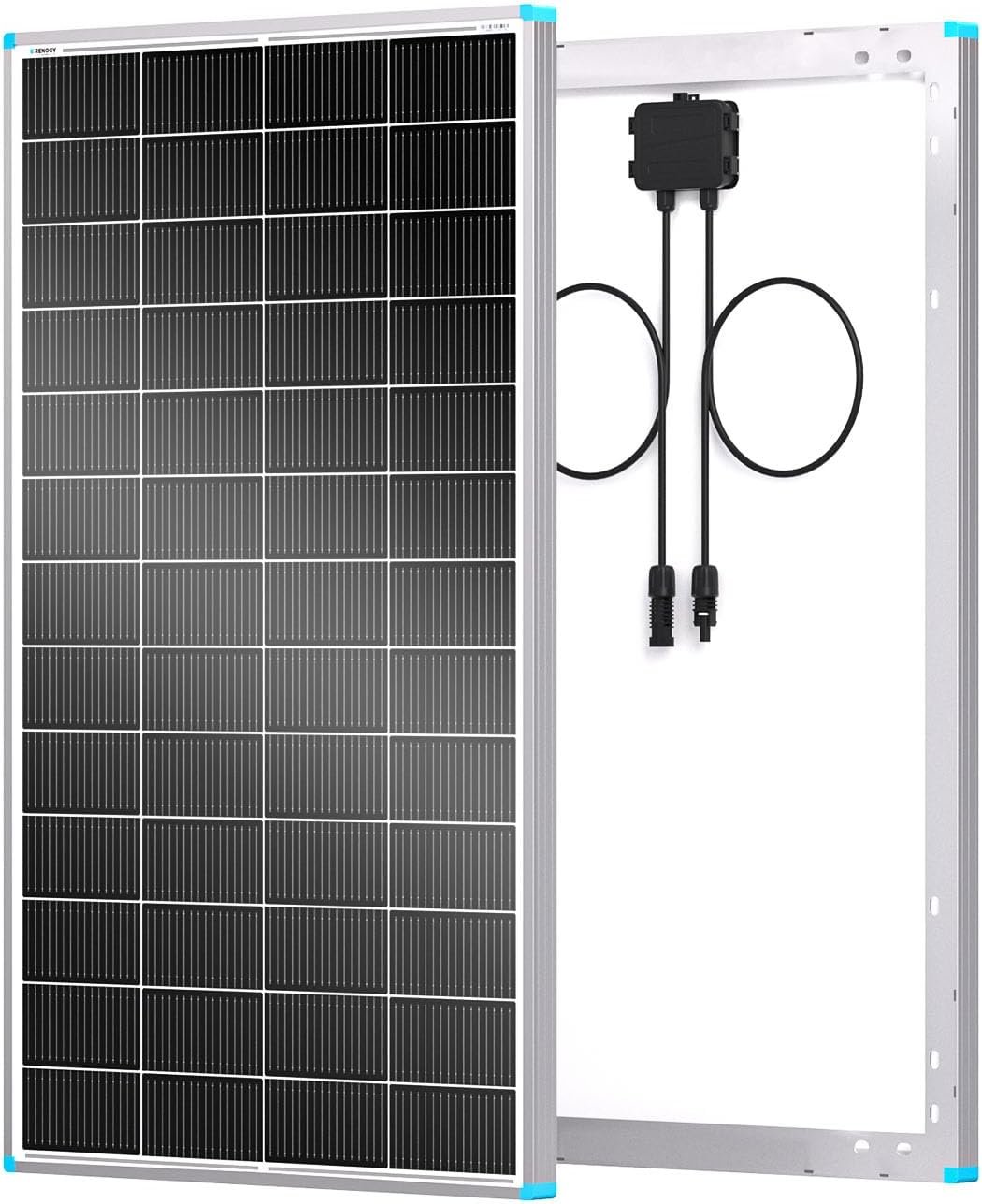
Renogy’s 200W rigid panel is the backbone of more off-grid cabins than any other panel on the market : and there are good reasons it keeps winning.
- High-efficiency monocrystalline cells squeeze maximum output from limited roof space
- Withstands hail, heavy snow loads, and decades of weather with corrosion-resistant aluminum framing
- Standard MC4 connectors make expanding from one panel to a six-panel array painless
- Most charge controllers, inverters, and mounting hardware just work with it
The honest downside: rigid glass panels need proper roof or ground mounting : not the pick for a tarp-and-bungee setup.
🧰 Renogy 100W Starter Kit : Best for First-Time Solar Builders
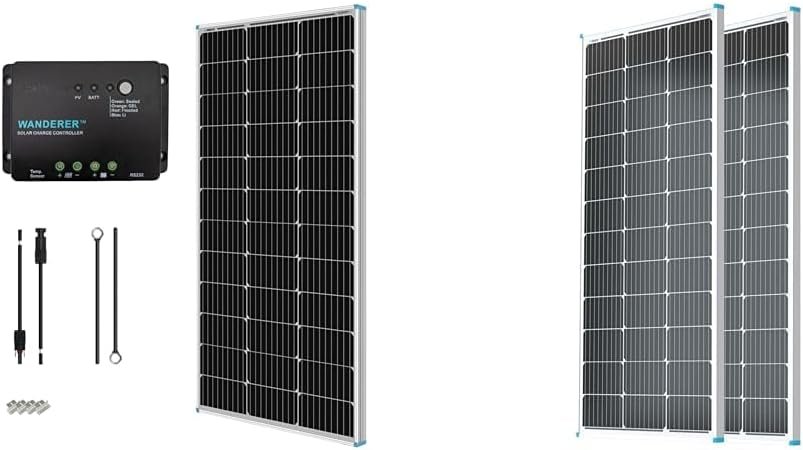
Everything a first system needs in one box: 100W monocrystalline panel, 30A PWM charge controller, cabling, and Z-brackets. If “build a small cabin lighting-and-laptops system this weekend” is the goal, start here. Expandable up to 400W on the included controller before you outgrow it.
The honest downside: PWM controllers waste some potential versus MPPT (more on that in our charge controller guide), and 100W is lighting-level, not fridge-level, power.
🌊 Renogy 200W Flexible : Best for Odd Roofs
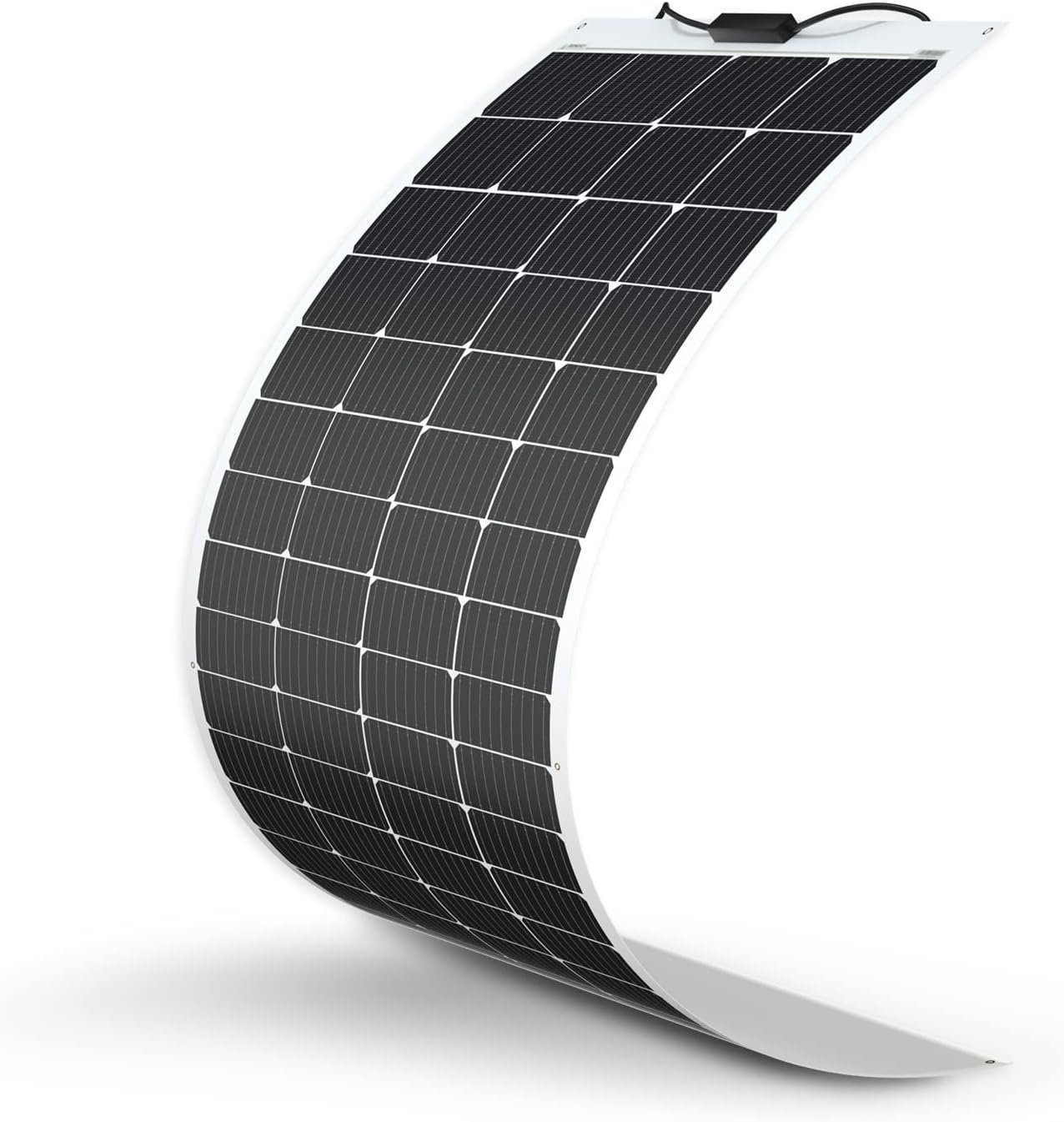
Canvas-tent roofs, curved metal, fragile vintage shingles : where rigid panels can’t mount, flexible ones conform. At a fraction of rigid weight, they’re also the choice for structures that can’t bear heavy snow-loaded racks. Trade-off: slightly lower real-world output and shorter lifespan than glass panels.
🎒 DOKIO 100W Foldable : Best Budget/Portable
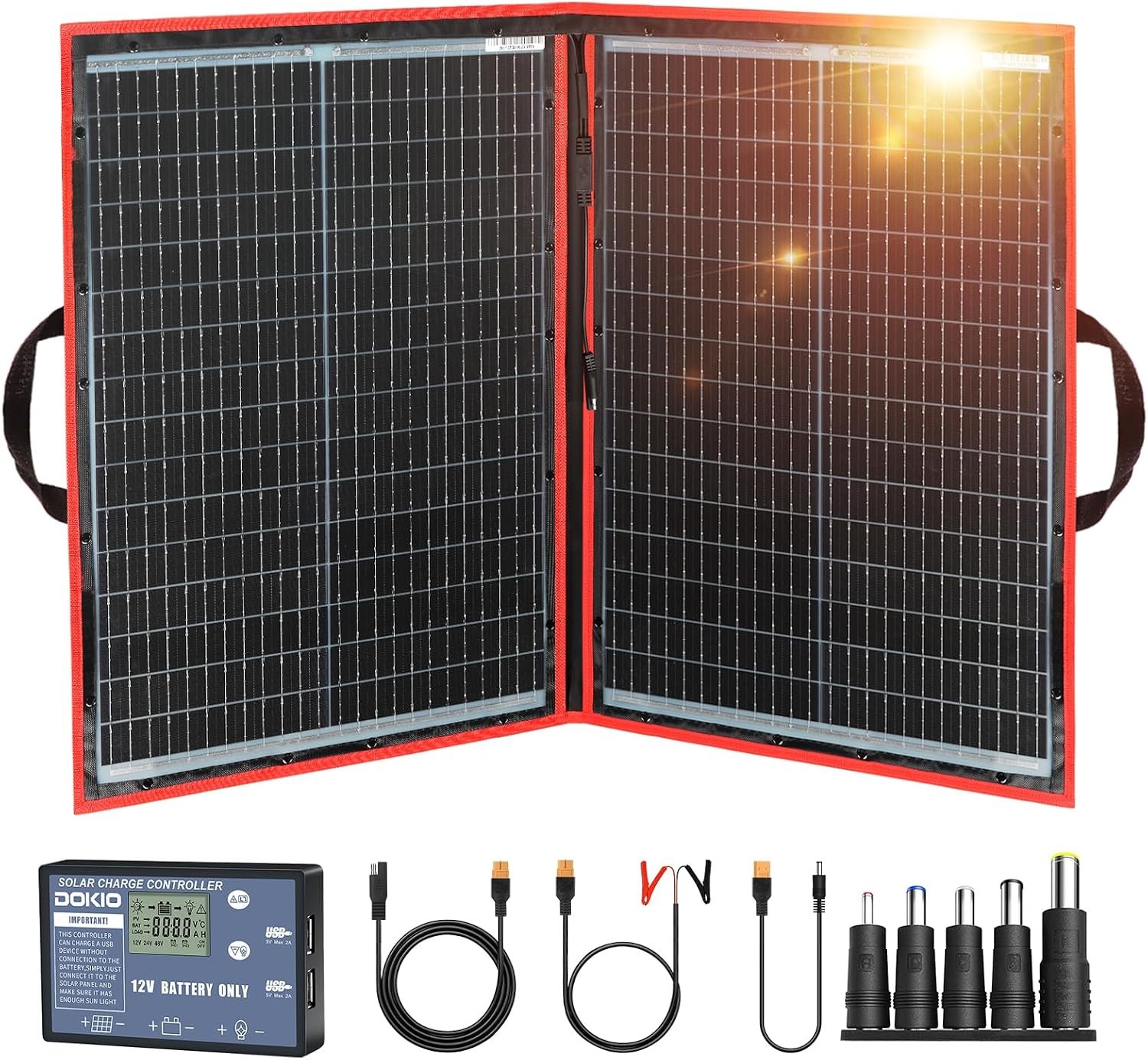
At around 6 lbs with an integrated controller and kickstand, the DOKIO suitcase is the “solar you can carry” option : perfect if your cabin trips are weekends rather than full-time living, or as a supplemental top-up panel.
How Many Panels Does a Cabin Actually Need?
A weekend cabin running lights, water pump, laptop charging, and a small fridge does fine on 400-800W of panel paired with 200-400Ah of battery. Full-time living with a full-size fridge and washing machine typically wants 1,200W+. Our rule of thumb: calculate your daily watt-hours, then double your panel capacity against that number to survive cloudy stretches.
Rigid vs. Flexible vs. Foldable: Which Type?
| Rigid | Flexible | Foldable | |
|---|---|---|---|
| Lifespan | 20-25 yrs | 5-10 yrs | 3-8 yrs |
| Output per watt | Best | ~5-10% less | ~10% less |
| Mounting | Rack/roof | Adhesive/light rack | None : prop and go |
| Best for | Permanent cabins | Odd surfaces | Weekenders |
For any permanent structure, rigid wins on cost-per-watt-hour over its life. Everything else is a compromise toward convenience.
FAQ
What size solar panel do I need for an off-grid cabin?
Weekend use: 200-400W. Full-time: 800-1,600W depending on appliances. Always pair panels with enough battery to cover 2-3 sunless days.
Are flexible solar panels worth it?
Only where rigid panels can’t mount. They cost more per watt and last half as long.
Do solar panels work in winter?
Yes : output drops 30-50% on short cloudy days but cold temperatures actually improve cell efficiency. Angle panels steeper for low winter sun and keep them clear of snow.
Can I mix panel brands?
Yes, within limits: matched voltage specs and same-string orientation matter more than brand labels.