Home Battery Backup Without Solar: The Complete 2026 Guide
Affiliate Disclosure: This post contains affiliate links. If you buy through our links, we may earn a commission at no extra cost to you.
Solar salespeople love to pretend the battery and the panels come as a package. They don’t. Home battery backup without solar is not only possible : for many homes it’s the smarter first step. Here’s every realistic option in 2026, from plug-in simplicity to whole-home systems.
Your Four Realistic Options
1. Portable Power Stations : The $500-$2,000 Entry
The fastest path: buy a large portable power station, keep it charged, plug essentials into it when the grid dies.
- Best pick: EcoFlow DELTA 3 Plus ($799-899) : its 56-minute recharge means brief grid flickers top it back up mid-outage

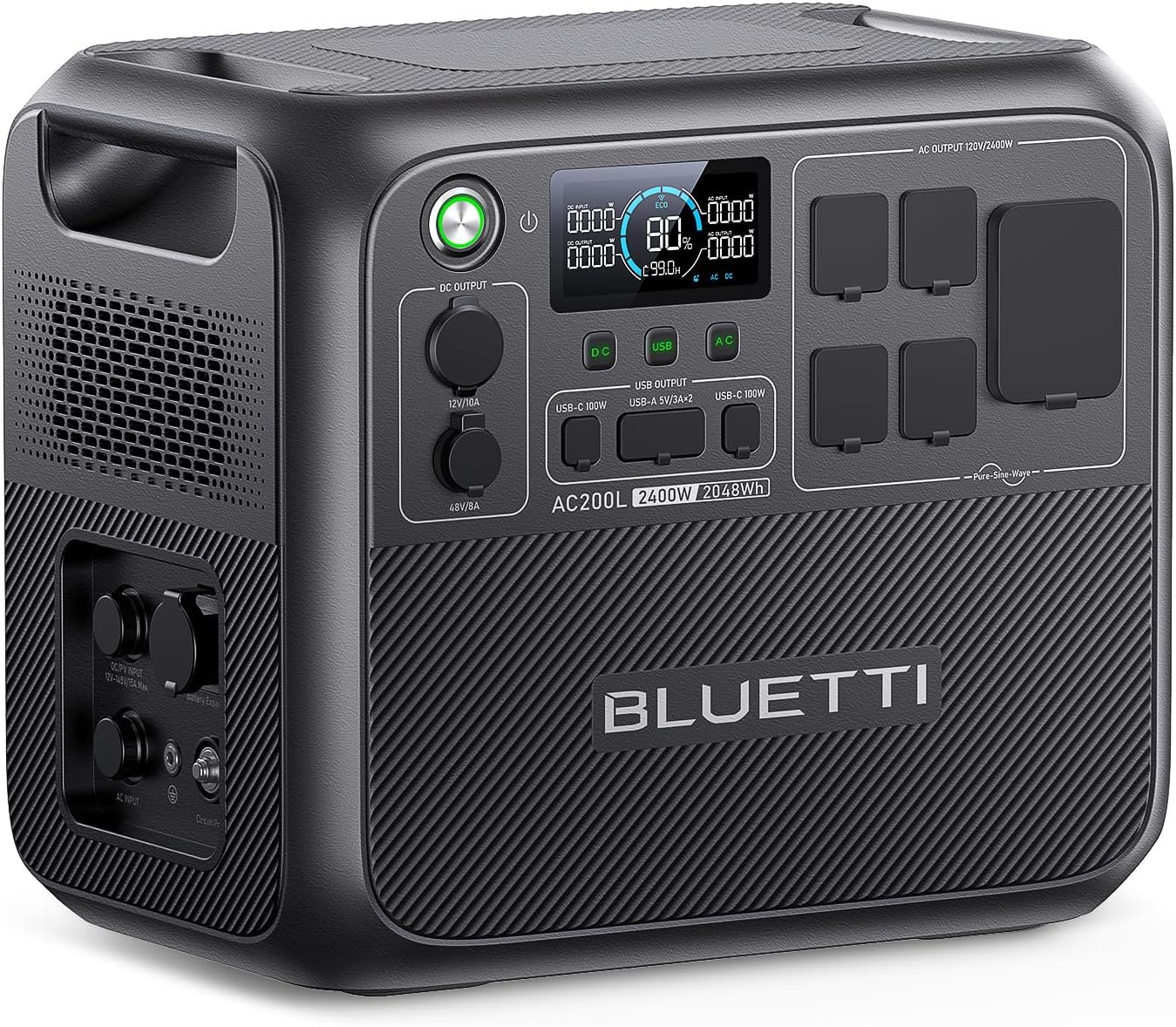
Bluetti AC200L home battery backup – check current price on Amazon More capacity:
Bluetti AC200L ($1,299) covers multi-day essential loads- Whole-home scale: OUPES Mega 5 Kit : 5kWh-class capacity with a 240W panel included, at budget-brand pricing
- Zero installation, works in apartments, moves house with you
- Limits: manual plug-in per device; no automatic switchover unless paired with a transfer switch accessory
- Automatic outage detection and switchover (you may not notice outages happening)
- Grid-charging arbitrage: charge on cheap off-peak rates, run your house during expensive peaks : in some markets this pays monthly
- Adds genuine home resale value
- Costs real money : $10k+ before installation, and without solar, the battery only charges from the grid (or a generator)
- Best Portable Power Stations for Home Backup (coming soon)
- Jackery vs EcoFlow vs Bluetti (coming soon)
- Best Home Energy Monitors (coming soon)
2. Plug-In “Generator Replacement” Systems : ~$1,000-5,000
Mid-size units with 30A outlets or companion transfer switches power selected home circuits via inlet boxes installed by an electrician. You get near-whole-home convenience without permanent battery infrastructure.
3. Installed Battery Systems : $10,000-25,000
Enphase IQ Battery, Tesla Powerwall, Generac PWRcell, and EcoFlow’s Smart Home Panel setups hardwire into your electrical system:
4. Hybrid Approach (Our Pick for Most Homes)
Start with a quality portable station today; add solar input capability later; graduate to an installed system if outages prove frequent enough. Every dollar is recoverable : used power stations resell readily.
Cost vs Coverage Reality Check
| Budget | What It Covers |
|---|---|
| $800-1,300 | Fridge + phones + Wi-Fi + CPAP: 1-2 days |
| $1,500-2,500 | Essentials including lights & furnace fan: 1-2 days |
| $10,000-15,000 | Critical circuits automatically: 1-3 days |
| $18,000-25,000 | Near-whole-home automatic backup: 1-2 days |
Notice the brutal economics of option 4 versus option 1: five times the money for roughly twice the coverage plus automation. That’s what switchover speed costs.
Is Battery-Only Backup Worth It?
Yes, if: outages are occasional (a few times yearly), your critical needs are fridge-sized not HVAC-sized, or you’re renting/can’t install solar.
No, if: you face week-long outage seasons (consider generator hybrid instead), or you’d pay peak-rate arbitrage prices that don’t exist in your market : check whether your utility even offers time-of-use rates before counting on savings.
FAQ
Can I add solar panels to my power station later?
Yes : that’s the beauty of the portable path. Most LiFePO4 stations accept panel input; check max solar input specs before buying panels.
Do batteries work during a blackout at night?
Battery-only systems charge from the grid, so yes : as long as they were charged before the outage. Solar-free means no daytime recharging unless you add panels later.
What about running a furnace?
Gas furnaces need surprisingly little electricity (~400W for the blower) : well within any 1kWh+ station’s ability, given the right outlet setup.
Is a standby generator cheaper?
Upfront, often yes. But generators need fuel stockpiles, maintenance, outdoor-only operation, and they’re loud. Batteries win on everything except duration-per-dollar.
Related Reading
Last updated: August 2026.